When to add cash to a card trade
On this page
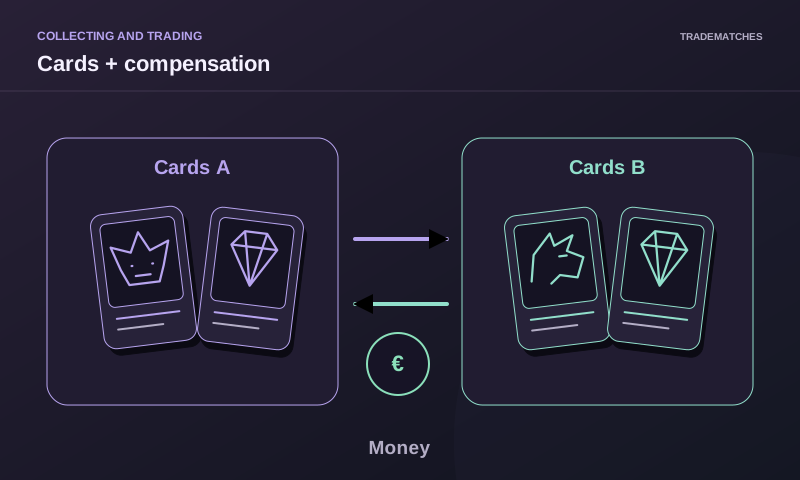
Adding cash can unlock a trade when both people want cards of different values. It is not mandatory, though: sometimes an extra card or relevant lot creates a more comfortable agreement.
Use it for a clear gap
Cash makes the most sense once you have confirmed the same versions and conditions and a difference remains that cards cannot cover. Agree the amount before preparing the meetup.
It does not replace inspection
A payment adjustment does not fix a misidentified, damaged or different card. Check the cards first and only then decide whether the adjustment still feels fair.
Choose a safe method
At an in-person meetup, count the amount calmly in a public place. For a remote deal, write down the conditions, shipping and what happens if the card does not match what was agreed.
When adding cash makes sense
Add cash to a card trade only when both people already want the swap and one clear difference cannot be balanced with cards. Cash does not solve a version, condition, or identification doubt; those facts must be clear first.
Start by describing the exact cards: game, set or code, language, finish, and condition. “The same card” can mean two different printings, and a condition difference may matter more than the amount being adjusted. Share photos of the actual copy before discussing money.
Ask what each person is trying to achieve. One may be finishing a page, another needs a card to play, and another seeks one specific version. If those goals do not cross, cash merely hides that there is no desired trade. It is fine to keep the cards and seek another proposal.
Calculate the adjustment after review, not before
When the cards do fit, agree on the reference you will use to compare the difference. You do not need to treat an estimate as universal truth: explain the criterion, the date checked where relevant, and visible version or condition differences. If you do not agree on the criterion, neither person needs to continue.
A small adjustment can simplify a lot: one person gives several duplicates the other wants and receives a card they seek, with an agreed amount to balance it. If cash becomes the main part of the transaction, though, it may no longer be a collector trade but a purchase or sale that needs different precautions.
Do not offer money as an automatic answer to “no”. The other person may not want to part with the card, may prefer another version, or may be uncomfortable with cash. A refusal needs no extra negotiation. Thank them for the clarity, put away your cards, and leave room to talk when lists change.
Agree simple, visible rules
Before meeting, confirm the maximum amount either person would add, the currency, and whether the adjustment depends on checking the card in person. Bring the exact amount or decide not to use cash if it complicates the meeting. Avoid advances to strangers to “reserve” a card you have not inspected.
In a public place, review the cards first on a clean surface. Only after confirming they match the description does it make sense to close the adjustment. If an undisclosed mark, different code, or any discomfort appears, pause the trade. Travelling or preparing cash does not create an obligation.
A short note reduces confusion: write which cards each person gives, what cash is added, and what condition was reviewed. A collector meetup does not need a complicated contract, but both people should be able to repeat the agreement in the same words before putting cards away.
Keep personal value separate from price. A card can matter to someone because of a gift, deck, or themed collection even if a reference suggests otherwise. Cash works only when both people accept the result. Trying to prove that someone’s preference is “irrational” usually breaks a conversation that could have ended well.
Avoid mistakes that turn an adjustment into a problem
Do not hide cash until the end of an offer. Mention it when it may be needed and ask whether the other person accepts that kind of adjustment. Do not mix many unidentified cards either: the larger the lot, the more useful it is to confirm every important copy before calculating a difference.
Do not use price claims without context or present changing values as permanent facts. If a reference, platform rule, or payment condition matters, check the relevant source at that time. This guide does not replace venue rules or obligations that may apply to a sale.
Update your lists when you finish. Remove cards that left, add cards that arrived, and note any proposal left open. TradeMatches then reflects what you truly own, and the next match can focus on new cards rather than a copy that is no longer available.
Common questions
How much cash is reasonable to add?
Only the amount both people understand and accept after reviewing the specific cards. If the adjustment creates doubt or pressure, do not use it; find more cards to balance the trade or leave the proposal for another time.
Is cash or more cards better?
It depends on priorities. More cards may help complete a collection, while a small adjustment avoids adding pieces nobody wants. Choose the option that satisfies both people, not the one that closes the trade fastest.
Next step
Prepare an available-card list, identify the printings, and decide in advance whether you would be comfortable with a limited adjustment. Clarity before meeting protects both the trade and the relationship between collectors.
Write the final adjustment down. It keeps later follow-up straightforward for everyone involved.
Calculate after checking versions
In a hypothetical trade, your agreed card total is €24 and theirs is €30, leaving €6. You may offer that amount, a wanted card or a smaller opposing lot. None obliges acceptance. If a copy turns out to be another variant, revisit its value before calculating the adjustment.
Use the fair-trade guide’s balance calculator and record shipping separately. A cash adjustment is different from an advance deposit; do not pay to “activate” a match. Check the terms of the payment method both people choose.