Flashback in Magic: cast from the graveyard, then exile
On this page
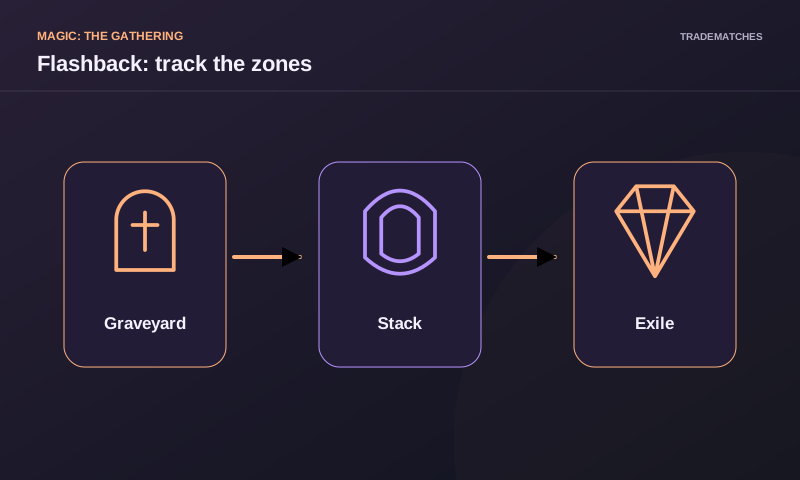
Flashback lets you cast an instant or sorcery from your graveyard by paying its flashback cost. It does not return the card to your hand or grant instant timing. When that cost was paid, the card is exiled as it leaves the stack, including when countered.
Source · Flashback in Magic: cast from the graveyard, then exile.
Check permission before paying
Find the card in your graveyard and read its current Oracle text. Check timing, restrictions and legal targets before starting the casting process. Flashback changes the starting zone and provides an alternative cost; other requirements remain relevant.
A sorcery normally needs your main phase, priority and an empty stack. An instant retains its usual timing. Include any effect preventing graveyard casting or granting a different permission rather than assuming flashback itself supplies every exception.
Calculate the total cost
Flashback is an alternative to the mana cost. Additional costs, cost increases and reductions may still apply. First identify the alternative cost being used, then apply the relevant modifiers.
For a hypothetical three-mana flashback cost with a one-mana increase, the starting total before reductions is four. Having three mana does not suffice simply because that is the printed flashback amount.
Do not combine two alternative costs as cumulative discounts. Choose a legal casting method. Also distinguish payment from mana value: paying a different amount does not automatically redefine the spell's mana value.
Move directly from graveyard to stack
Announce the spell and complete targets and payments. When an opponent can respond to the spell, the card is on the stack rather than still in your graveyard. A response that only targets a graveyard card cannot find that spell there.
Before casting, an opponent may have a legal opportunity to exile the card from the graveyard. The useful questions are where the card currently is and who has priority, rather than whether flashback is universally protected from interaction.
Countering does not give another flashback attempt
The spell can be countered. Paying flashback still changes where the card goes on leaving the stack, so it does not ordinarily return to the graveyard for another attempt.
| Situation | Check |
|---|---|
| Spell resolves after flashback was paid | Exile on leaving the stack |
| Opponent counters it | Flashback still affects its departure |
| An effect proposes returning it from stack to hand | Check the exile replacement |
| Card remains uncast in the graveyard | No stack departure has occurred yet |
These examples assume flashback was paid and no specific exception intervenes. If another replacement effect affects the movement, examine the complete interaction rather than extrapolating from this simple table.
A practical rehearsal
Set out a sorcery with flashback in the graveyard, sufficient mana and a hypothetical opposing counterspell. Describe three states: available graveyard card, paid spell on the stack, and exiled card after departure.
Repeat with insufficient resources and during the opponent's turn. One case fails payment; the other may fail sorcery timing. Both should be recognised before moving the card.
When buying for a deck, compare both casting costs, colour requirements and how the card reaches the graveyard. Flashback supplies a potential further use, not a guaranteed number of successful spells. Resources, permissions and responses still determine the outcome.
Track three states before trying another cast
Start a practice exercise with the card in hand. After an ordinary cast puts it in the graveyard, check flashback's permission. Once a flashback cast leaves the stack for exile, it is no longer in the required starting zone. Remembering two uses does not grant a third cast.
Repeat with the first ordinary spell countered. Its graveyard presence may support a later flashback check, but not because the first spell resolved. The ability and current zone supply the permission. Compare that with a countered spell whose flashback cost was paid: the relevant replacement changes its destination.
Keep outcome and permission distinct. “The spell was countered” describes a stack event; “the card is in the graveyard” describes its present location. Planning the next action requires both pieces of information.
Frequently asked questions
Does flashback give a sorcery instant timing?
No. Normal timing applies unless another relevant permission changes it.
Can I pay flashback from my hand?
The ability grants permission from the graveyard. Casting from hand needs the normal method or another independent permission.
What happens if the spell is countered?
When flashback was paid, its stack-departure replacement still applies. Countering does not erase that payment.