What to do when you cannot find TCG collectors in your city
On this page
If you cannot find collectors for your TCG in your city, widen how you search before widening the distance of a first meeting. A clear profile and a specific proposal usually work better than a generic message in a large group.
Start by observing and organising
Preparation does not need to take long. A want list in TradeMatches or on paper, with game, edition, and condition where relevant, lets the meetup focus on people instead of random card hunting. If several games are involved, split goals by TCG so one binder does not bury the most useful offers.
State which game you collect, which cards you trade, and what kind of meeting feels comfortable; those three details let another person recognise themselves in the invitation.
Steps you can apply
- Define what you want to resolve before you start.
- Check the facts another person needs to decide.
- Store or update the information when you finish.
At any meetup, courtesy protects cards as much as sleeves do. Ask before touching a binder, return every card to the same page, and say if you need a few minutes to review an offer. A clear, kind “not now” is a complete answer; it does not make anyone a poor hobby companion.
Set a sensible limit on how many cards are out at one time. On a table, small lots are easier to compare and return. When a conversation ends without a deal, each person should put away their cards before starting the next proposal.
A practical example
A search can start with a two-person meetup at a shop or public place and grow later if both people want to repeat it.
A balanced proposal can serve different motives: one person completes a set while another gets play cards, a preferred language, or an art piece. Explaining the goal helps find alternatives when the first card does not fit.
What to avoid
Waiting for a perfect community before proposing something small prolongs the stalemate; start with one conversation and a limited card list.
At the end, review what changed and update the lists. That two-minute task prevents offering a card that has already left and makes a new need visible. If a conversation remains open, note the exact version and next step instead of relying on memory.
How to keep a record
For a first meetup with someone you do not know, choose a public place, state what you will bring in advance, and do not feel obliged to hand over a card if condition, version, or safety concerns appear. Trading is voluntary: being able to stop a proposal is part of a good experience.
To apply this idea to no tcg collectors in your city, write down the detail you do not want to reconstruct later: a list, photo, location, or the exact version of a card.
Before a meetup, decide whether the aim is meeting people, trading specific cards, or simply sorting collections. The format changes with the answer. For a first meeting, one hour and a limited selection are easier to manage than an open-ended day with no structure. If the experience works, there will be time to extend it or invite more people.
It helps for each participant to bring a “yes”, “maybe”, and “not available” list. The first contains cards they can offer comfortably; the second allows conversation without a promise; the third stops anyone reading a personal piece as part of a lot. This separation makes a refusal neither surprising nor a failed negotiation.
When a proposal becomes complicated, return to the starting question: what did each person hope to get? One specific card may not be available, yet a variant, duplicate lot, or contact for another trade may exist. Looking for alternatives does not oblige anyone to accept; it simply makes the conversation clearer and less personal.
Pre-meetup communication needs only what is useful: game, trade type, public venue, and a way to recognise the agreed selection. You do not need to publish an entire collection or personal data to prepare a meeting. Sharing less but precisely protects privacy and reduces expectations neither party has confirmed.
After the activity, keep what worked: a table rule, category list, or way of confirming changes. Communities repeat not because every trade is perfect, but because taking part is easier next time. A short, respectful routine creates that reason to return.
Before confirming an offer, repeat in person or by message the cards, versions, and condition that were chosen. This brief close is not distrust: it can reveal that one person meant a different copy or that a card belonged on the “maybe” list. When everything matches, the trade can happen much more calmly.
If values differ, avoid arguing over who is right. Explain what interests you about the card and ask which alternative would meet the other person’s aim. Sometimes the right agreement is not to trade that piece today, keep contact details, and return with a better-prepared selection.
A useful meetup leaves one next action, even without a trade: update a list, send a pending photo, or look for a variant. That continuity is better than accepting a deal out of obligation. Trust grows when people keep small agreements and respect the limits that were stated.
Useful questions before deciding
Which fact should I check first?
Start with the fact that changes the decision: the meetup goal, card condition, its version, or your budget. If that point is unclear, the rest of the proposal should wait.
What if I am not sure?
Say exactly what needs confirming, share an image or list, and temporarily remove the card from the proposal. Transparency does not slow a good trade; it stops an agreement from breaking later.
Next step
Choose one small, concrete action for today. When information is clear and expectations are reasonable, it becomes easier to enjoy both trading and collecting over the long term.
Compare alternatives without publishing your address
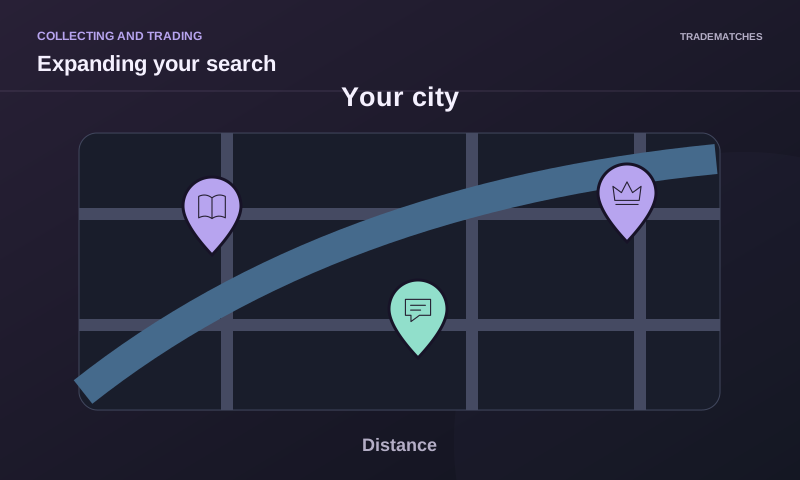
Define proximity by practical travel time rather than promised collector numbers. Try an organizer-announced activity, a reachable neighboring town or a post with exact codes and an approximate area. Change one variable at a time to identify useful alternatives.
State limited availability, such as Saturday travel, in the first message. If shipping is the only option, confirm service, expenses and risks before agreeing on cards. No replies do not establish a technical fault or require increasing your offer.