How to decide whether to keep, sell or trade TCG cards
On this page
To decide whether to keep, sell, or trade a card, begin with what it does for you rather than one isolated number. The same copy may be part of a collection, a play piece, a memory, or an available card. A method helps you avoid regretting moving something important or keeping a duplicate that could help obtain another goal.
First, define why it is in your collection
A card that completes a set, represents a favourite character, works in a deck, or carries a personal story has a reason to stay. Write that down or mark it mentally before considering offers. You do not need to defend the decision to anyone: the collection is yours, and personal value is not a calculation mistake.
If you cannot explain why you keep a card, that does not mean you must sell it immediately. Put it in a review category. Give yourself a sensible period—until the next binder organisation, for example—to decide whether you will use it, display it, or add it to a trade lot.
Keep: when losing it weighs more than an opportunity
Keep a card when it serves a need you do not want to replace: it belongs to an active goal, you need it for play, it is a version difficult to replace for you, or it carries emotional value. Store it outside the trade binder and do not use it as a “maybe” card. This prevents conversations where you decline something you never intended to move.
Keeping a card while you verify version, condition, or history is sensible too. Deciding with incomplete information often causes more frustration than waiting a week. If the card is delicate, protect it and document its condition so you can decide calmly later.
Trade: when a copy can become a goal
Trading works particularly well with duplicates, cards from a completed project, alternate versions you do not want to retain, or deck surplus. The useful question is not “what is it worth?” but “which card on my list could this obtain, and would that move me toward my goal?” If the answer is specific, the card has a clear role in the lot.
Before adding it to “Have,” confirm you can locate it, describe version and condition, and decide what sort of proposal you would accept. You can be open to alternatives without offering the card for anything. The guide to proposing a trade both collectors want turns that criterion into a clear message.
Sell: when you need simplicity or budget
Selling may make sense if you want to reduce a collection, fund another project, or cannot find a trade that interests you. But selling is not automatically better than trading. Consider the time needed to prepare a listing, answer questions, pack, or meet, and compare that effort with receiving a wanted card directly.
If you choose to sell, separate the card from the TradeMatches lot until you decide. Do not offer it simultaneously without saying so: you might accept a proposal and lose the copy through another channel. In either case, describe condition and version honestly; transparency matters in a sale as much as in a swap.
A matrix for stuck decisions
| Question | If yes | Likely action |
|---|---|---|
| Do I need it for an active goal? | Its absence would delay me. | Keep. |
| Do I have another copy or preferred version? | This one adds nothing unique. | Trade or sell. |
| Do I know what I want in return? | There is a specific missing card. | Trade. |
| Do I prefer budget or space? | A new project is the priority. | Sell after reviewing availability. |
| Do I still not know? | I need data or time. | Reserve and revisit. |
Do not decide from a single value reference
Prices can vary by version, language, condition, and channel. Even when you find a reference, it does not replace your goal or confirm that another person wants the same deal. Use comparisons as one piece of information, not an automatic instruction to sell or keep.
In a trade, review both sides with the same questions. A card that is a duplicate to you may be the last one another person needs; a wanted card may not be available even if it appears in an old list. Discuss versions and condition before drawing a conclusion, rather than turning one figure into an argument.
Create a waiting zone
Many poor decisions come from mixing important cards with surplus. Use a “review” section for cards you are unsure about. They are not available, not for sale, and not gone; they simply wait until you have a clear goal. Review the zone when you update your collection or before a meetup.
Over time, this section reveals patterns: perhaps you keep every promo, want one language, or prefer cards from certain games. Those patterns make a better personal policy than deciding each card under pressure.
Before moving a card
- Check the physical copy and condition.
- Decide whether it is collection, review, or available.
- If trading, name the goal it may help achieve.
- If selling, remove it from open proposals until you decide.
The right decision does not always maximise money or card count. It leaves the collection closer to how you want to enjoy it. To organise the available lot afterward, see how to build a Have list.
As a collection grows, deciding each card’s destination prevents impulsive purchases and trades. There is no universal answer: it depends on your goals, how you use the card and how much effort you want to invest.
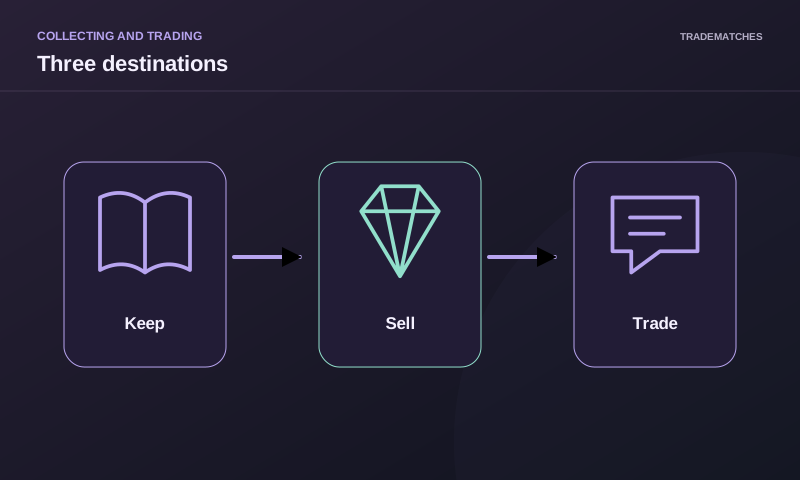
Keep what supports your goal
Keep cards that complete a collection, that you play often or that carry personal meaning. If a card would be emotionally difficult to replace, do not list it just because someone wants it.
Trade what can move you forward
Duplicates and cards that do not fit your decks may be more useful in your Have list. A trade works well when it turns idle material into a piece you will use or enjoy.
Sell when you need cash, not negotiation
Selling can make sense when you need a specific amount or cannot find cards you want in return. Consider time, fees and shipping before deciding it is the most profitable path.
Test the decision on one copy
Record whether you use it, whether it meets a collection goal, whether someone requested it and whether you can cover delivery expenses. Keeping a useful or meaningful card is valid. Compare a concrete trade when it is free and a compatible request exists. For a sale, account for fees and shipping before counting potential proceeds.
A hypothetical €15 reference with €5 expenses does not leave €15 after a sale. A buyer and completed delivery are still needed. Do not sell a required copy expecting a cheaper replacement without accepting that risk.