How to trade TCG cards safely: avoid scams
On this page
A safer card trade starts with identifying the cards and recording what each person will hand over. Photos, conversation records and a public meeting reduce uncertainty. No app, home test or reputation removes every risk.
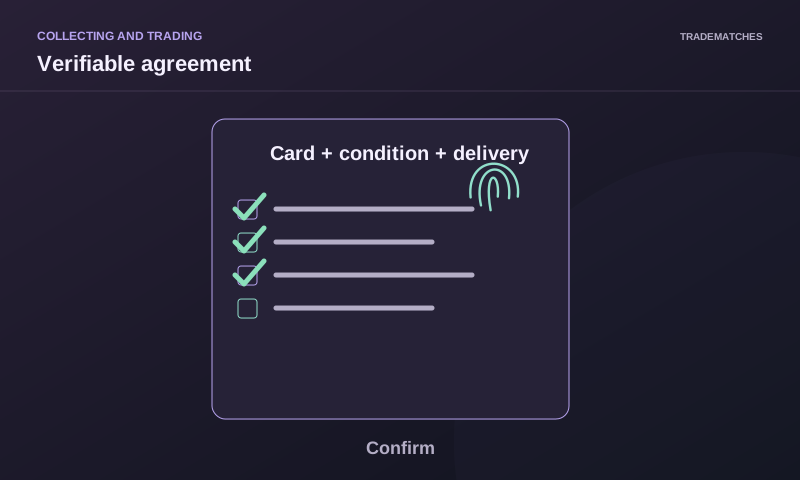
Make an agreement you can check
- Record each card’s name, set, number, language, finish and quantity. Request current front, back and defect photos.
- Use the same condition scale and price reference for the exact version. There is no universal percentage discount for wear: compare similar copies.
- Agree on the meeting or shipping arrangements, expenses and what happens if inspection reveals a difference.
- Never share passwords, access codes or identity documents just to prove that a card exists.
A message template for the agreement
I offer: [card, code, version, language, quantity, condition and defects]. You offer: [the same details]. Agreed cash adjustment: [amount or none]. We will inspect both lots before handing them over. If they differ from the photos or description, we pause and renegotiate; neither person has to accept a changed offer.
Keep the other person’s reply. This record helps explain a disagreement, but it does not guarantee recovery or replace a platform’s terms.
Inspect in person without damaging cards
Meet in a public place with enough light. Keep both lots in view and inspect cards outside opaque sleeves with the owner’s permission. Compare printing against the same edition. A photograph’s color difference may come from the camera.
Do not tear, scrape, wet or bend cards as a test. UV light is not a universal authentication method across TCGs. If a valuable card remains uncertain, postpone the trade and seek professional assessment rather than relying on one home check.
When shipping is necessary
Sending at the same time is not neutral escrow. Check whether any protection actually covers a trade, including its exclusions. Keep content and packing photos, the receipt and tracking. Hide recipient details before sharing evidence publicly.
Check quantities, versions and condition on arrival before confirming acceptance. A video may support the record, but it cannot establish the entire chain of custody on its own.
Reasons to pause
- The other person changes the agreed lot and demands an immediate decision.
- Photos conceal the card code or a known defect.
- You receive a payment or login link unrelated to your chosen service.
- The recipient’s identity changes without a verifiable explanation.
Keep original messages and receipts if a problem occurs. Contact the service’s support and seek advice from the relevant authorities when appropriate. Avoid threats or publishing private information.