Find your next guide
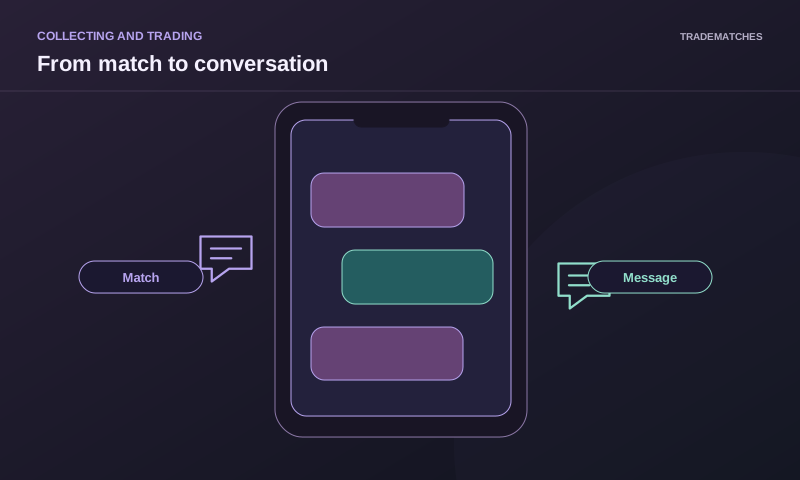
From match to trade: how to contact another collector
Turn a TradeMatches match into a useful conversation and a well-organised possible TCG card trade.
How the TradeMatches local radar works
Learn how to use the TradeMatches local radar to discover compatible collectors and plan nearby card trades.
How to build a Have list that creates better matches
Set up a clear, useful list of available cards to receive better trade matches on TradeMatches.
How to build a Pokémon collection on a budget
Create a sustainable Pokémon TCG collection with clear goals, selective purchases, basic protection and duplicate trades.
How to build a TradeMatches profile collectors can trust
Improve your TradeMatches profile with clear information, well-kept lists and habits that build trust for card trades.
How to complete your Want list for relevant trades
Make your TradeMatches want list precise enough to find TCG cards and trade offers you actually want.
How to decide whether to keep, sell or trade TCG cards
Use a simple method to decide whether a TCG card should stay in your collection, be sold or enter your trade list.
How to decline a card trade offer politely
Decline a card trade clearly and respectfully without closing future possibilities in the TCG community.
How to keep your TradeMatches collection updated
Create a simple routine for updating your available and wanted cards in TradeMatches after purchases, openings and trades.
How to propose a card trade both collectors want
Learn to build balanced, clear TCG trade proposals around both collectors’ lists and goals.
How to start using TradeMatches to find card trades near you
Learn how to prepare your lists, use the local radar and take the first step toward relevant TCG trades on TradeMatches.
How to use TradeMatches before attending a TCG meetup
Prepare your lists and proposals in TradeMatches before a TCG meetup to make better use of your time and trades.
What to do when you cannot find TCG collectors in your city
Find or create TCG trading opportunities even when you do not yet know collectors in your city.
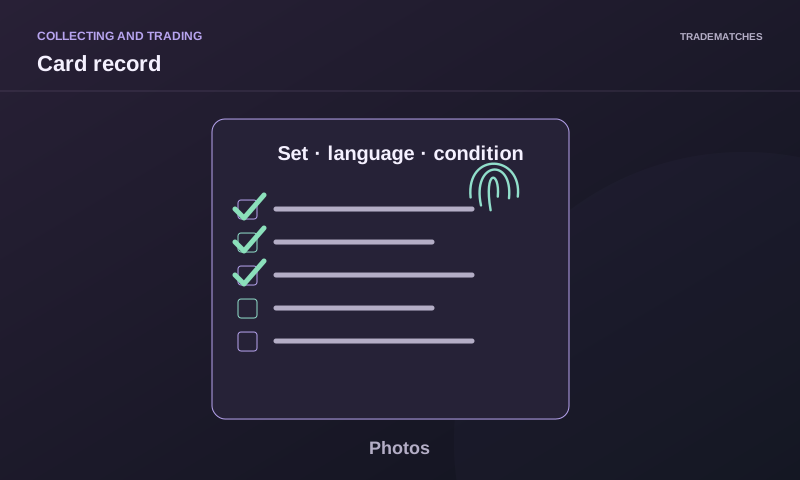
What to include when offering a TCG card
Include the details another collector needs to assess a TCG card before accepting a trade proposal.
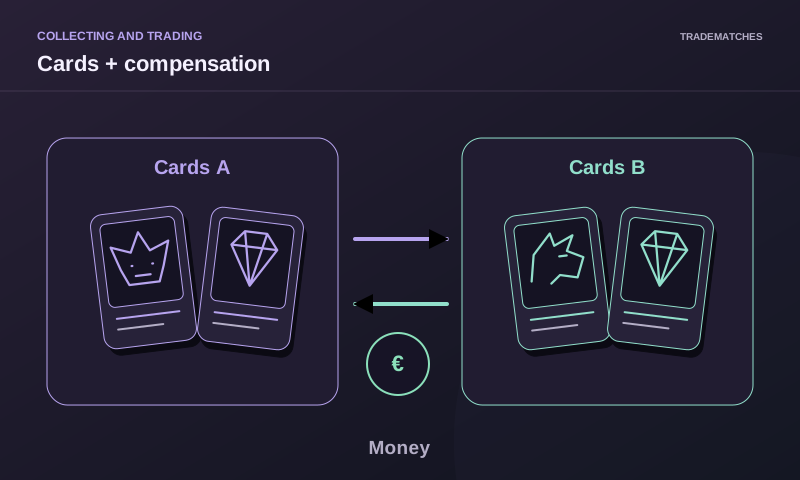
When to add cash to a card trade
Discover when adding cash makes sense in a TCG trade and how to agree on it clearly and safely.
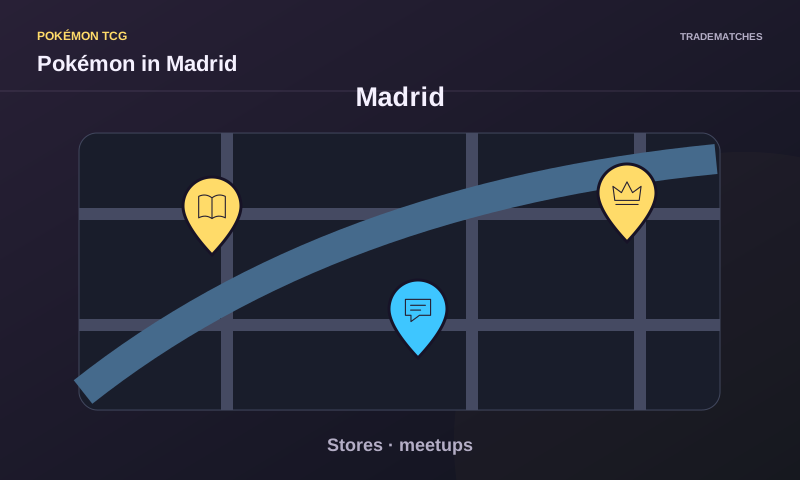
Where to trade Pokémon cards in Madrid
A practical guide to finding Pokémon card trades in Madrid, preparing lists and meeting safely.
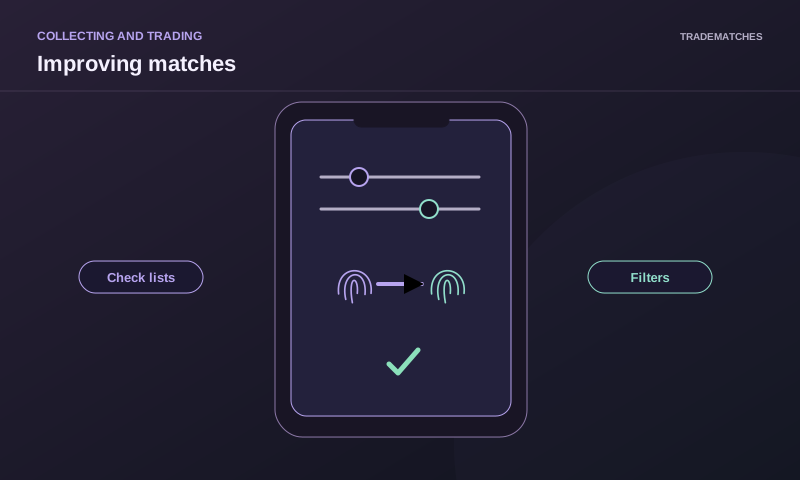
Why you see few matches and how to improve them
Find out why TradeMatches may show few trade matches and which practical updates can help.
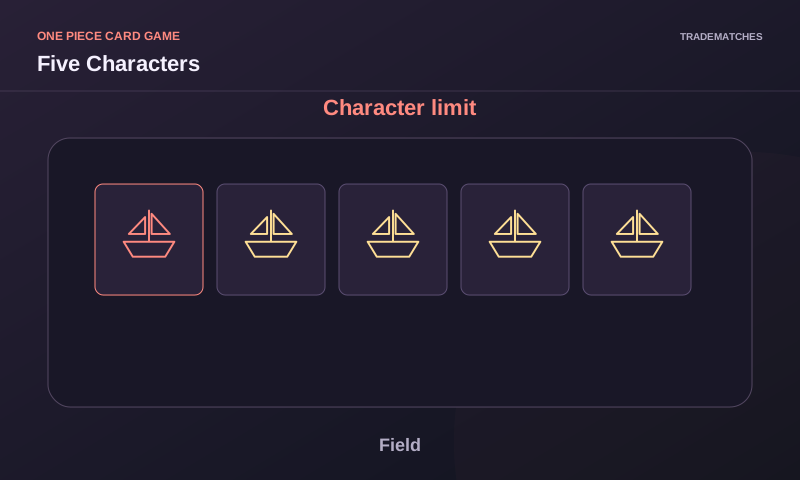
The five Character limit in One Piece
In One Piece Card Game, you can have up to five Characters in your Character zone. If you already have five and want to play another, the rules don’t…
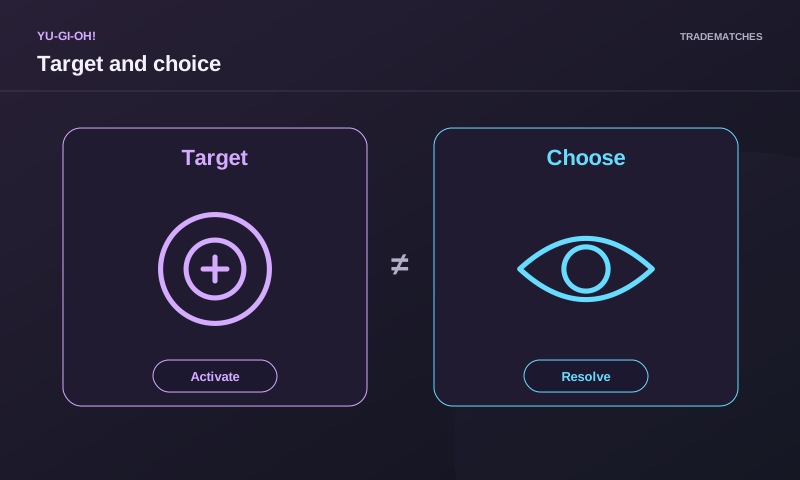
Targeting vs choosing on resolution in Yu-Gi-Oh!
In Yu-Gi-Oh!, an effect that makes a target selects the card or player specified when the effect activates. An effect that does not make a target may…
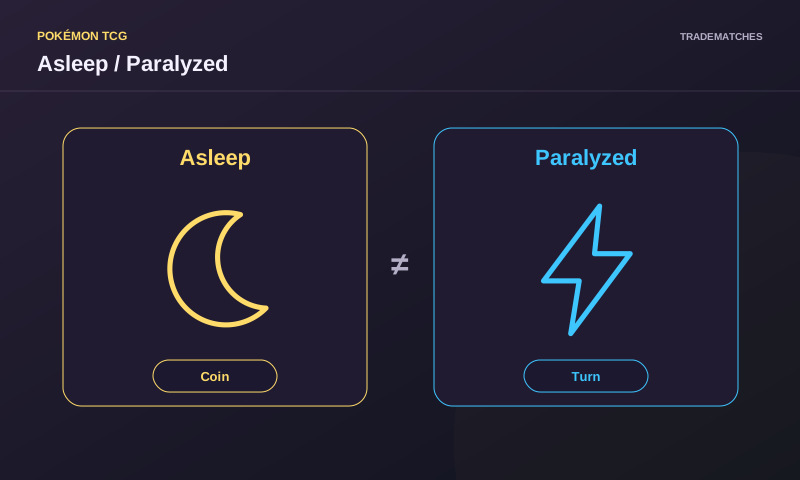
Asleep vs Paralyzed in Pokémon TCG
In Pokémon TCG, a Pokémon in the Active Spot Asleep and one Paralyzed share two limitations: they cannot attack or retreat using the normal retreat action…
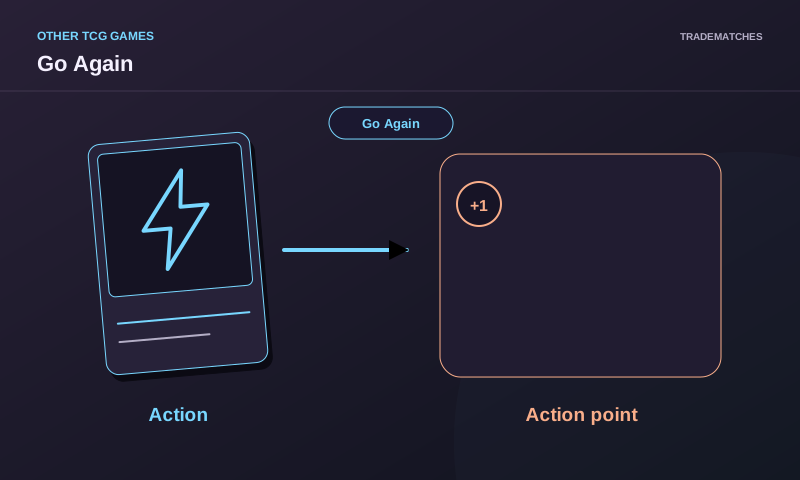
Go again and action points in Flesh and Blood
In Flesh and Blood, go again means "gain 1 action point" when its resolution step arrives. That point allows you to play another action card or activate…
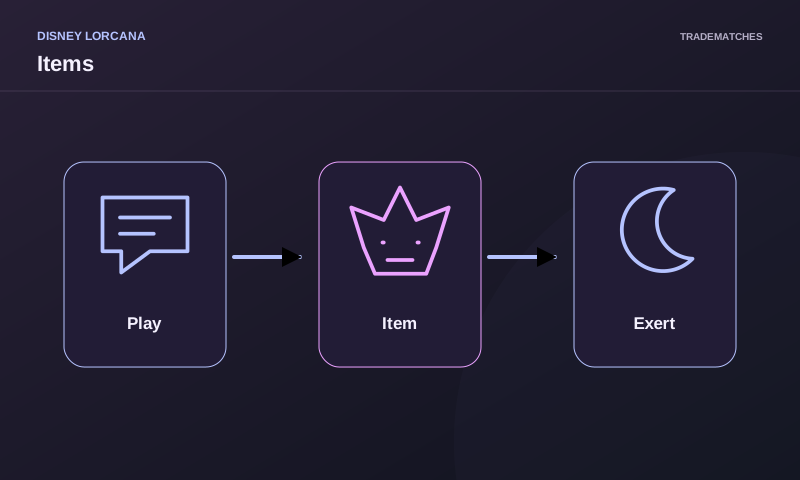
Items in Lorcana: playing, exerting and using
A Item card in Lorcana is played by paying its ink cost and remains in your play zone. Its ability can be used during the same turn you play it, if you…
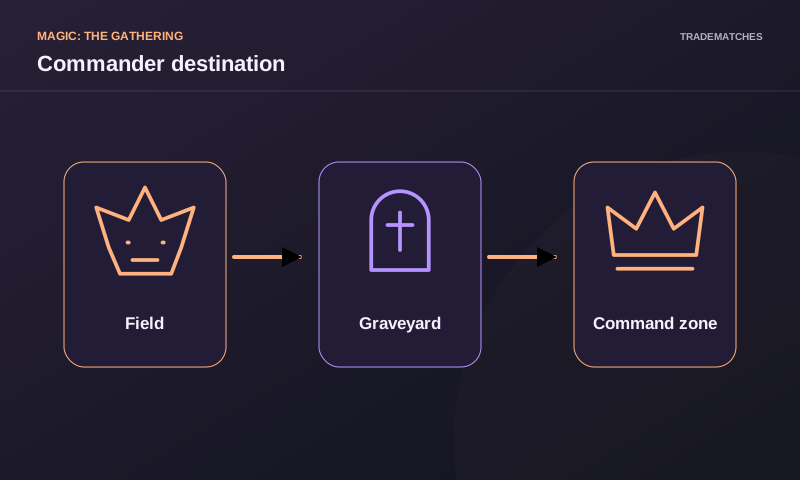
Commander to graveyard or command zone?
In Commander, if your commander goes to the graveyard or exile , it arrives there first, and its owner can move it to the command zone when state-based…
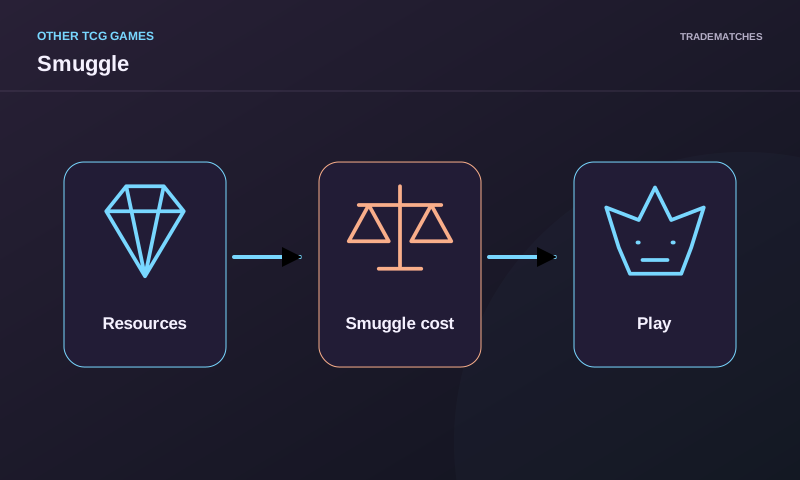
Smuggle in Star Wars: Unlimited
Smuggle in Star Wars: Unlimited allows you to play a card from your resource zone by paying the cost indicated next to the keyword, instead of its printed…
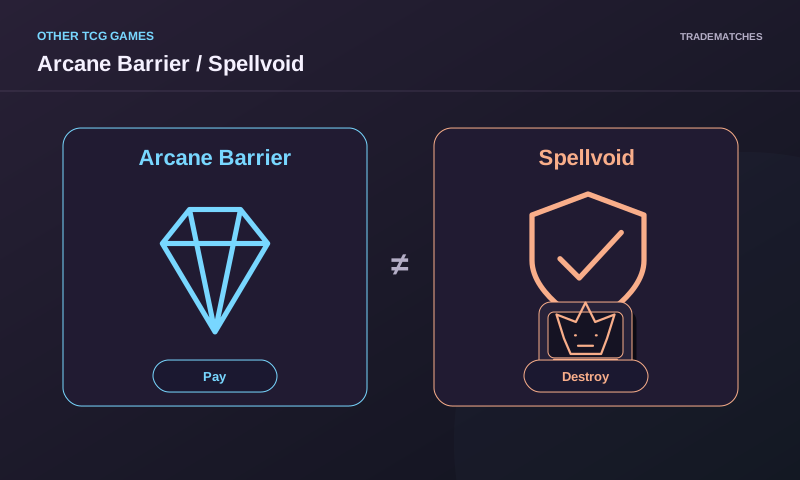
Arcane Barrier vs Spellvoid in Flesh and Blood
Arcane Barrier and Spellvoid are two defenses against arcane damage in Flesh and Blood. Arcane Barrier N allows you to pay N resource points to prevent N…
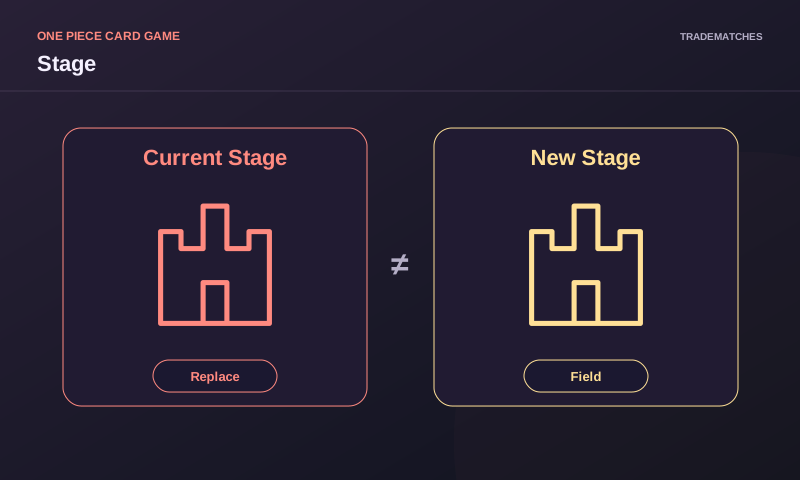
Stage cards in One Piece: playing and replacing
A Stage card in One Piece Card Game is played in the player's Stage zone. Each player can have at most one Stage in that zone. If you play another Stage…
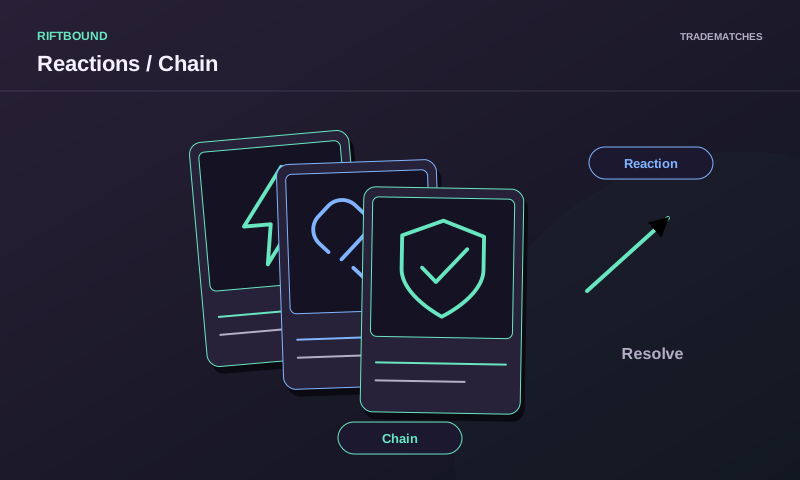
Reactions and the chain in Riftbound
In Riftbound, Reaction is a time-based permission: it allows you to play a card or activate an ability even when a chain already exists and during any…
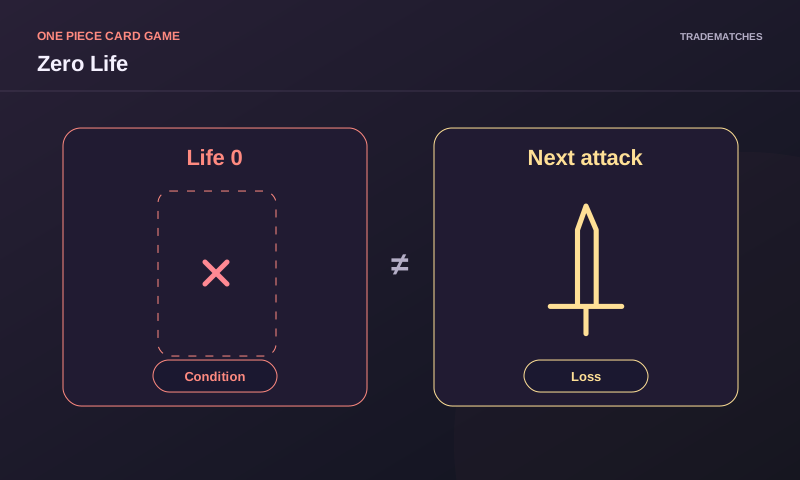
Do you lose at zero Life in One Piece?
In One Piece Card Game you do not lose the moment you run out of Life cards . You lose only when, already having zero Life cards, your Leader takes damage…
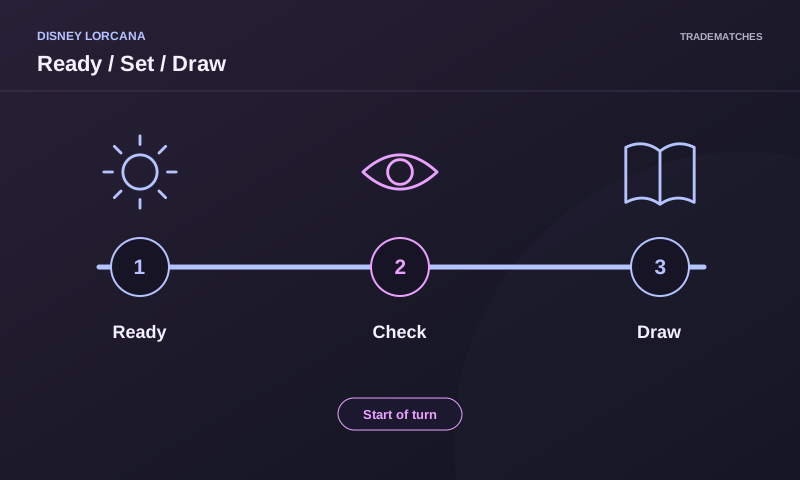
Ready, Set, Draw in Lorcana
The beginning of each turn in Lorcana follows this order: Ready, Set and Draw . In Ready, you prepare all cards that have been exhausted in play and in…
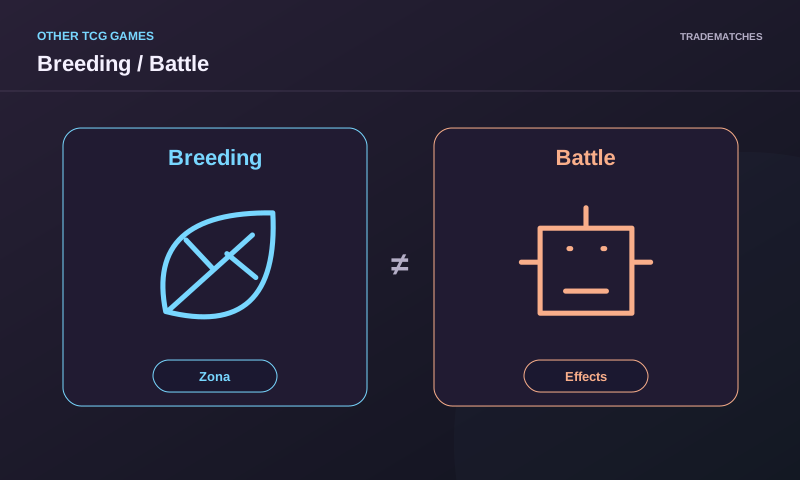
Breeding area vs battle area in Digimon
In Digimon Card Game, the breeding area and the battle area make up the field, but they function differently. The breeding area serves to incubate and…
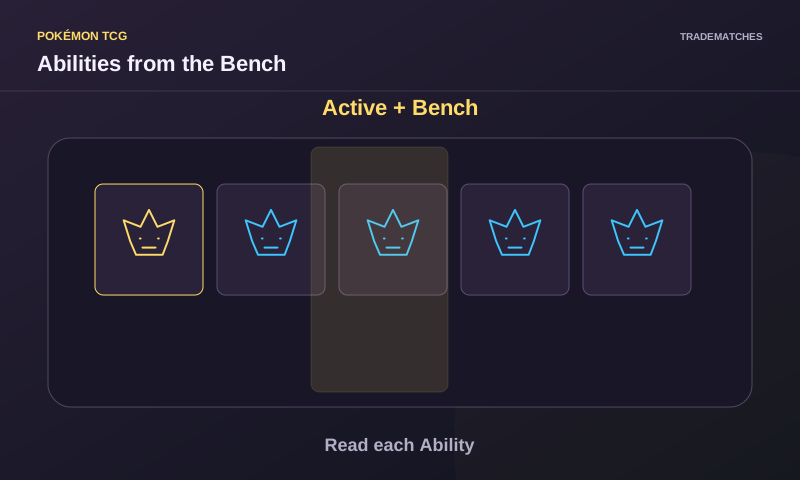
Can Pokémon use Abilities from the Bench?
Yes. In Pokémon TCG, you can use Pokémon Abilities from the Bench, as long as the Ability's text and in-game effects allow it. Simply being on the Bench…
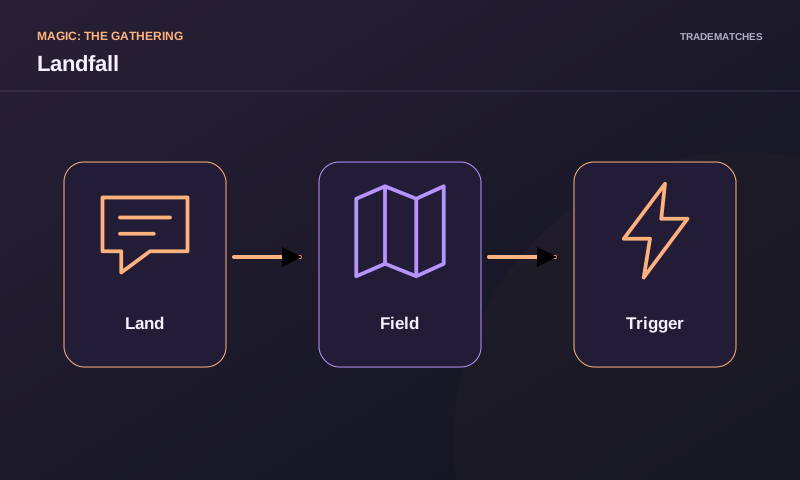
Landfall in Magic: when does it trigger?
Landfall in Magic refers to abilities that trigger when a land enters your battlefield under your control. It doesn't matter whether you played the land…
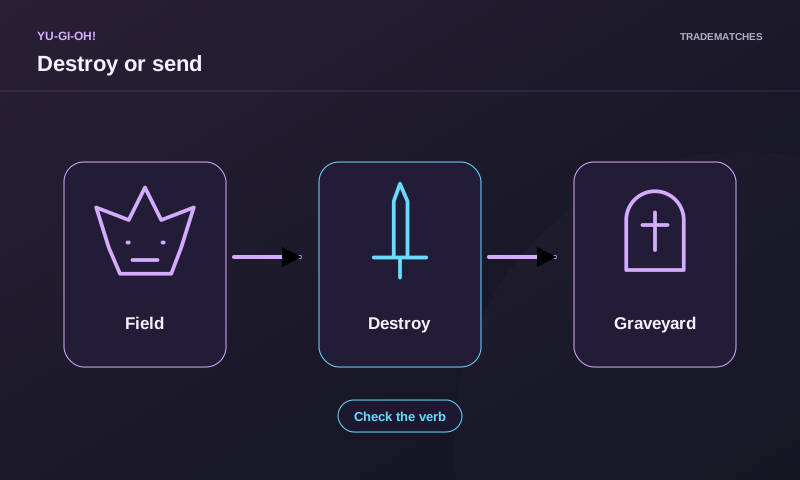
Destroy vs send to the GY in Yu-Gi-Oh!
In Yu-Gi-Oh!, destroy and send to the Graveyard describe two distinct actions. Destroying is a specific way a card leaves the field; sending a card to the…
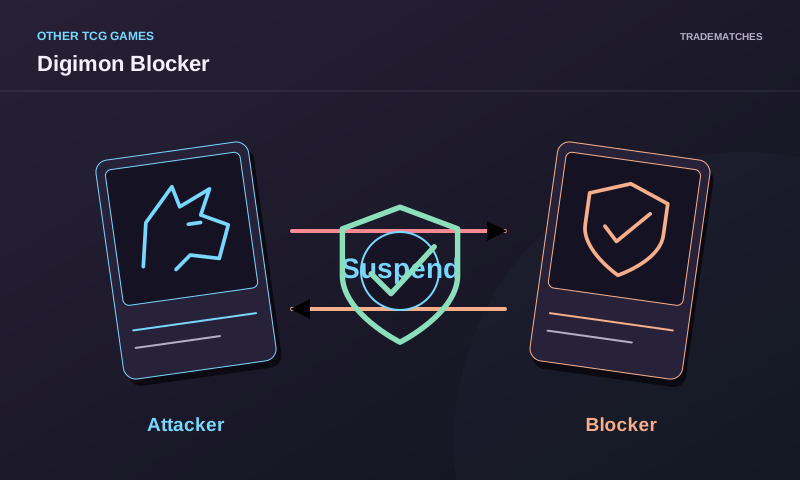
Blocker in Digimon: when can it block?
Blocker in the Digimon Card Game allows a Digimon in the battle area to be suspended to redirect an attack toward itself. The block is declared in the…
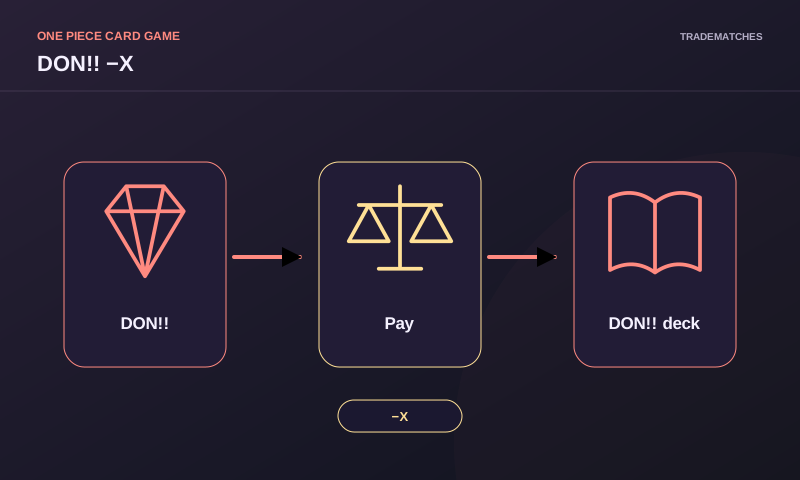
DON!! −X in One Piece: paying the cost
DON!! −X in One Piece Card Game means you must return exactly X DON!! cards from your Leader zone, your Character zone, and your cost area back to your…
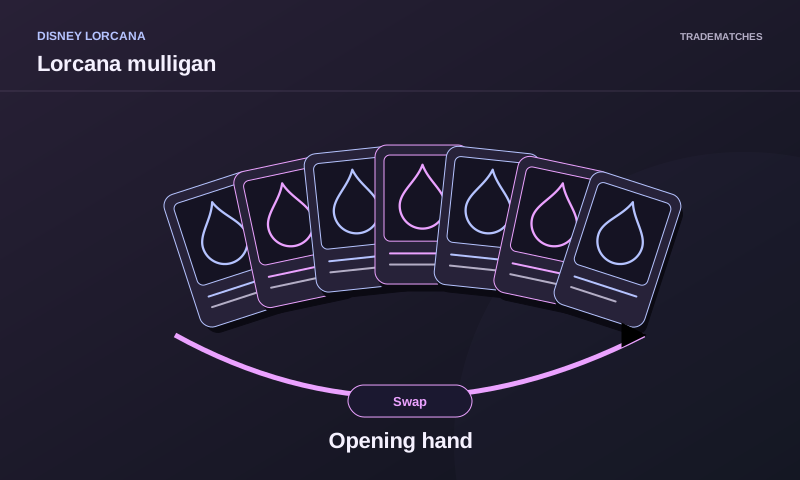
Lorcana mulligan: changing your opening hand
The "mulligan" in Lorcana, referred to in the rules as altering the initial hand , allows a player to change once any number of the seven initial cards…
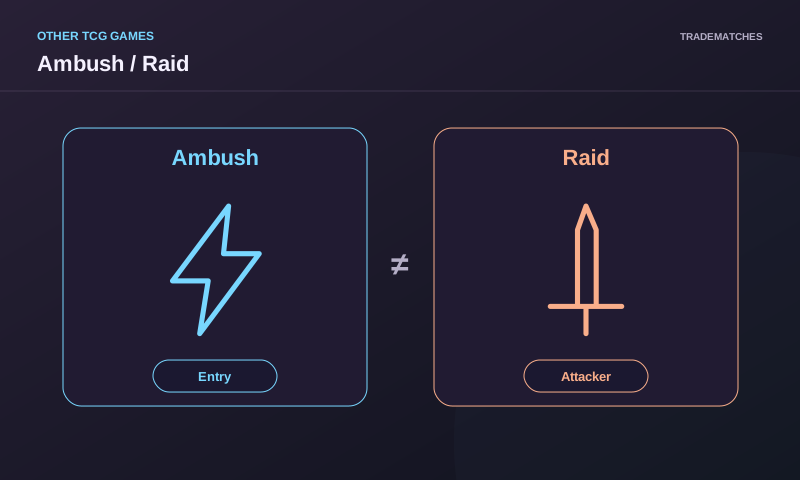
Ambush vs Raid in Star Wars: Unlimited
Ambush and Raid make a Star Wars: Unlimited unit more dangerous when attacking, but they resolve different problems. Ambush allows an attack against an…
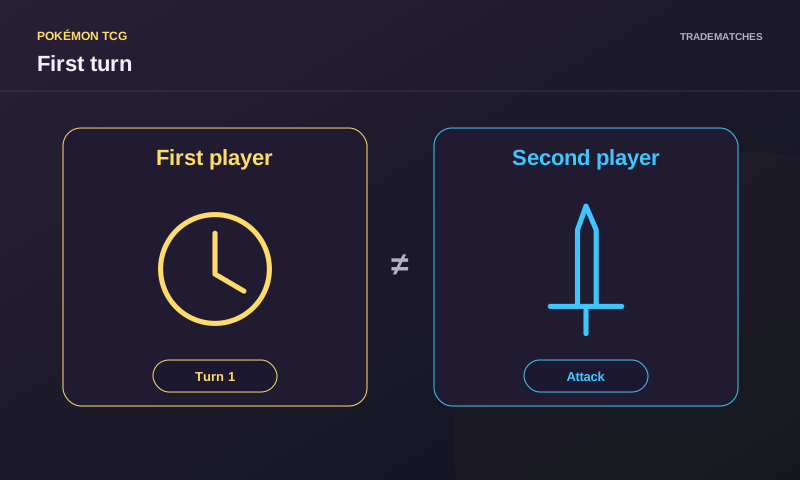
Can you attack on the first turn in Pokémon TCG?
In the Physical Pokémon TCG, the player who starts cannot attack on their first turn . The player who goes second can attack on their first turn, provided…
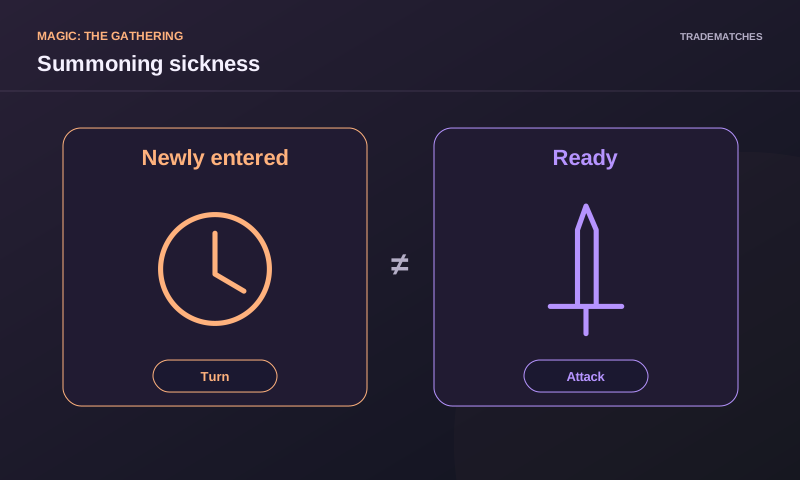
Summoning sickness in Magic: what it stops
The so-called summoning sickness in Magic prevents a creature from attacking or activating an ability that costs a tap or untap symbol, unless you have…
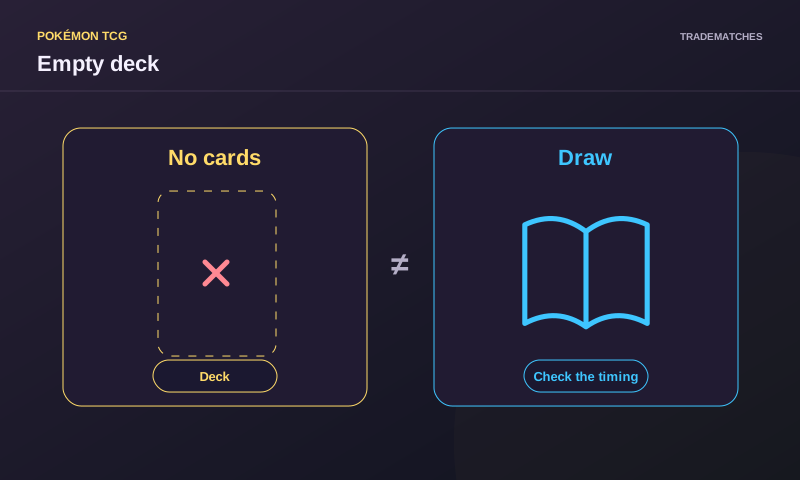
What happens when your Pokémon TCG deck runs out?
In Pokémon TCG, having an empty deck does not result in an immediate loss . You lose only if, at the start of your turn, you are required to draw a card…
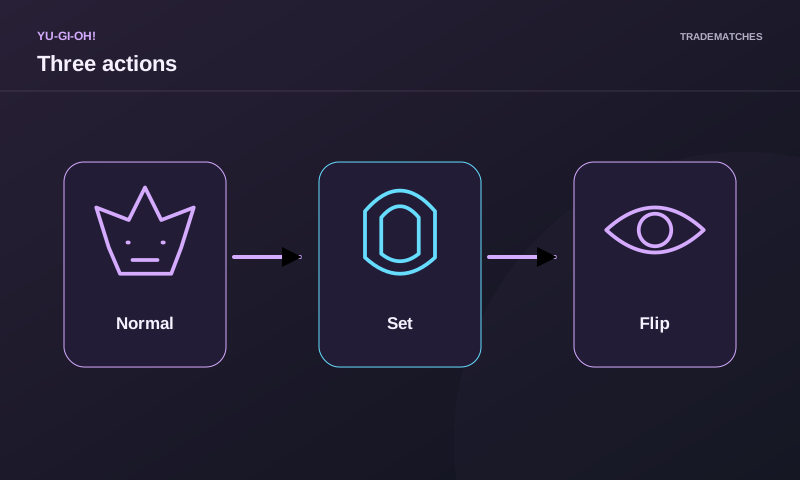
Normal Summon, Set and Flip Summon in Yu-Gi-Oh!
In Yu-Gi-Oh!, Normal Summon normally places a monster from your hand face-up in Attack Position; Set places it face-down in Defense Position; and Flip…
Card trade checklist: what to check before and after meeting
Use this checklist to prepare a TCG trade, inspect cards in person and update your collection afterwards.
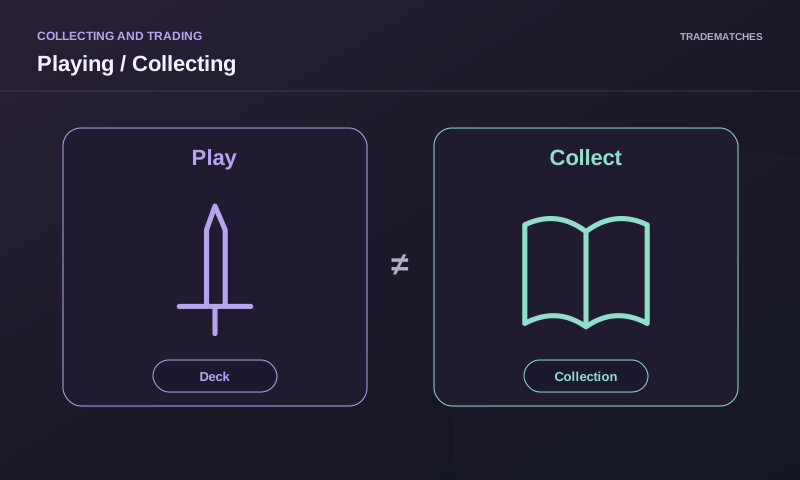
Cards for playing or collecting: how to separate your TCG goals
Organise TCG cards for playing, collecting or trading without losing track of condition and availability.
Disney Lorcana collector guide for 2026: rarities, sets and sought-after cards
A practical Disney Lorcana collecting guide for 2026 covering sets, rarities, sought-after cards, want lists and trades.
How to build a duplicate-card trade lot people actually want
Organise duplicate cards into useful trade lots with clear sorting, descriptions, photos and expectations.
How to build a TCG collecting budget without overspending
Build a sustainable TCG collecting budget and decide when to open packs, buy singles or look for a trade.
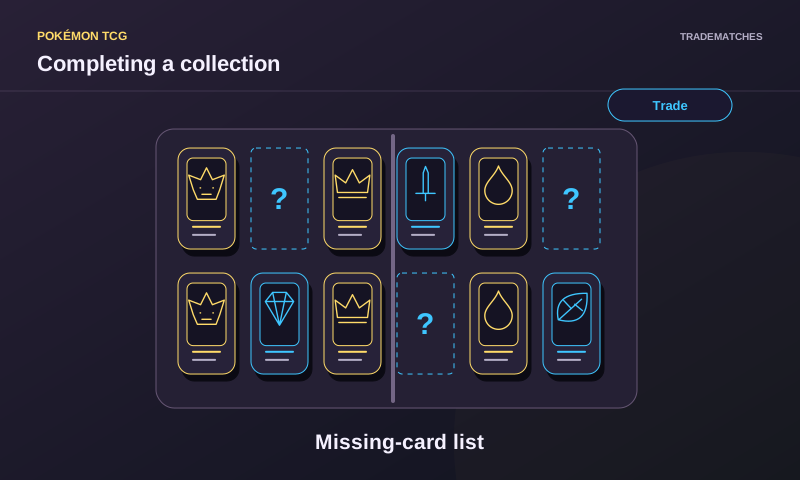
How to complete a Pokémon collection without buying hundreds of booster packs
A practical method for completing a Pokémon collection with missing-card lists, duplicates and smarter trades.
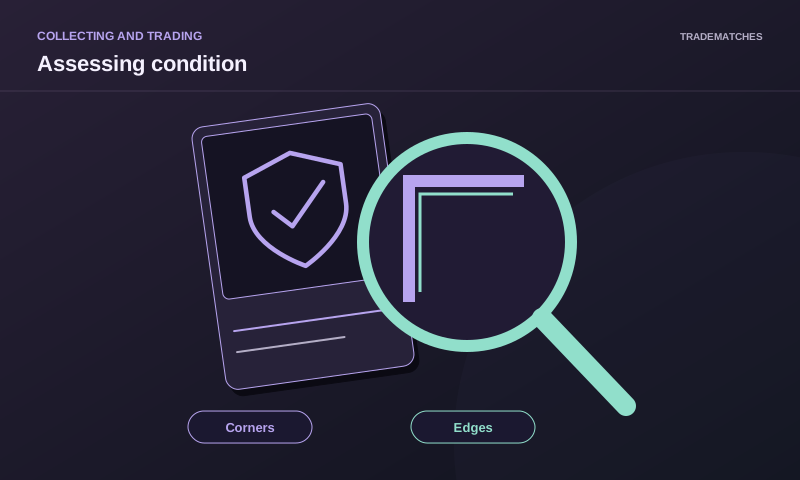
How to grade TCG card condition: Mint, Near Mint, Excellent, LP, Played and Poor
Learn how to describe TCG card condition with clear criteria and avoid misunderstandings when buying or trading.
A good collection starts with clear answers.
Answers to help you find your way through the guides.
Where should I start if I’m new to collecting?
Choose your game, then define your goal: playing, completing a set or trading duplicates. Each category brings related guides together.
How do I identify the card I want to trade?
Record its set, number, language, finish and condition. Confirm those details with the other collector and use photos of the actual copy.
How do I prepare a trade?
List what you can offer and what you want. Agree on the exact copies, their condition and the delivery method before confirming.
Can I search all the articles?
Yes. The explorer searches the complete catalogue, including articles on other pages. Combine a keyword with a game or topic to narrow the results.
Do all games in the blog appear in the app?
The blog covers more games than the app. TradeMatches supports Pokémon, Magic, Yu-Gi-Oh!, One Piece, Lorcana and Riftbound.
More knowledge. Better trades.
Browse the articles, explore a category or get to know the project.